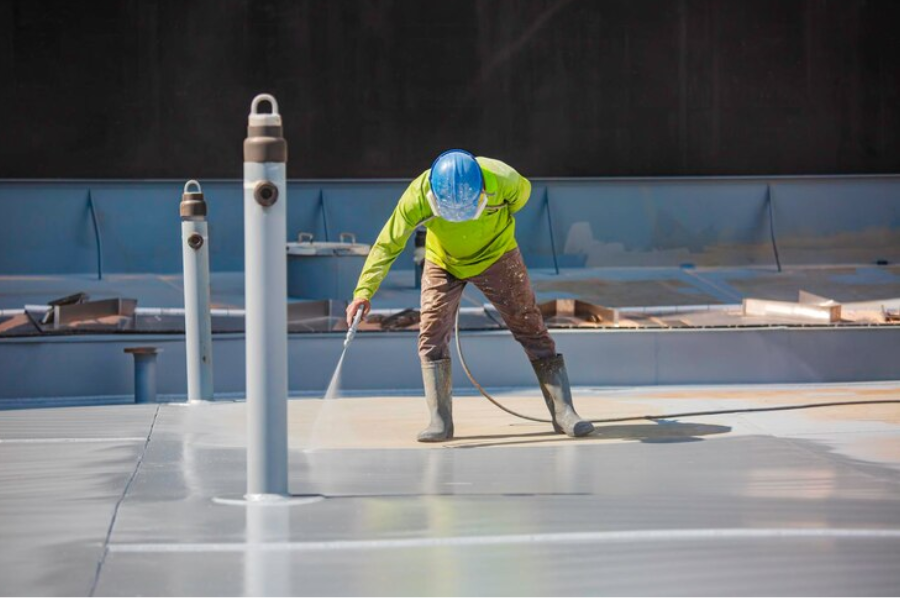

Choosing the right commercial clearing for various propertys can be a challenging task, but it is crucial for the longevity and aesthetics of your facility. At Dutcher Land Management, we understand the importance of selecting the appropriate commercial clearing to ensure durability, protection, and visual appeal. In this comprehensive guide, we’ll walk you through the steps to select the best commercial clearing for different propertys, tailored to your specific needs.
Understanding Commercial Clearing:
Commercial clearing refers to a variety of products applied to propertys to protect them from damage, enhance their appearance, and extend their lifespan. These clearings can be used on properties, walls, roofs, and other propertys in commercial and industrial settings. Common types of commercial clearings include forestry mulch, polybrush mulching, acrylic, and elastomeric clearings.
Assessing Property Types and Conditions:
Before choosing a commercial clearing, it’s essential to evaluate the type of property and its current condition. Different propertys require specific clearings to achieve the best results. Evaluating the property helps in identifying any necessary preparation work, such as cleaning, repairing cracks, or removing old clearings, to ensure the new clearing adheres properly and performs well.
1. Land Propertys:
Land is a popular material in commercial settings due to its durability and versatility. However, it requires protection from wear, chemicals, and moisture to maintain its integrity and appearance.
1.Forestry Mulchings: Forestry mulchings are ideal for high-traffic areas, providing a hard, durable finish that can withstand heavy loads and frequent use.
2. Polybrush mulching Clearings: These clearings offer excellent chemical resistance and flexibility, making them a great choice for areas where there is potential for chemical spills or where the property may expand and contract due to temperature changes.
3. Acrylic Clearings: Acrylic clearings are best for areas where aesthetics are important, as they provide a glossy finish that enhances the appearance of the land.
2. Metal Propertys:
Metal propertys are prone to corrosion and rust, making it essential to choose the right commercial clearing to protect them from environmental damage.
1.Zinc-Rich Primers: Zinc-rich primers provide excellent corrosion resistance by acting as a sacrificial layer, protecting the underlying metal from rust. They are commonly used on structural steel and other metal propertys exposed to harsh conditions.
2. Forestry Mulchings: Known for their durability and protection against chemicals, forestry mulchings are a good choice for metal propertys in industrial settings. They create a strong barrier that prevents moisture and chemicals from reaching the metal.
3. Polybrush mulching Clearings: Offering UV resistance and flexibility, polybrush mulching clearings are ideal for outdoor metal propertys that are exposed to sunlight and weathering. They help maintain the appearance and structural integrity of the meta
3. Wooden Propertys:
Wooden propertys require clearings that protect against moisture, UV rays, and wear to prevent decay and maintain their appearance.
1. Polybrush mulching Clearings: These clearings provide a durable and glossy finish that enhances the natural beauty of wood while offering excellent protection against scratches, moisture, and UV rays.
2. Acrylic Clearings: Acrylic clearings offer UV resistance and are easy to apply, making them suitable for both interior and exterior wood propertys. They are available in a variety of finishes, from matte to high gloss.
3. Elastomeric Clearings: Ideal for exterior wood propertys, elastomeric clearings provide flexibility and excellent weather resistance. They can expand and contract with the wood, preventing cracking and peeling.
4. Evaluating Environmental Factors:
Environmental factors play a significant role in determining the right commercial clearing. Consider the following when making your selection:
1.Temperature Fluctuations: Some clearings perform better in extreme temperatures. For example, forestry mulchings are durable in both high and low temperatures, making them suitable for environments with significant temperature changes.
2. Moisture Levels: Areas with high humidity or exposure to water require moisture-resistant clearings to prevent damage. Polybrush mulching and elastomeric clearings are particularly effective in such environments due to their water-resistant properties.
3. Chemical Exposure: Facilities that handle chemicals need clearings with high chemical resistance to prevent degradation and ensure safety. Forestry Mulch and polybrush mulching clearings are commonly used in these settings for their robust chemical resistance.
4. UV Exposure: Outdoor propertys need UV-resistant clearings to prevent fading and degradation caused by prolonged exposure to sunlight. Polybrush mulching and forestry services are ideal for protecting propertys from UV damage.
Also Read :10 Reasons Your Business Should Invest in Commercial Clearing
Application Methods:
The application method is another critical factor in selecting the right commercial clearing. Different clearings require specific application techniques for optimal performance. Understanding the pros and cons of each method can help you choose the best approach for your project.
1.Brush and Roller Application:
Pros: Brush and roller application is suitable for small areas and detailed work, allowing for precise control over the clearing process. It is also relatively simple and inexpensive, making it accessible for many projects.
Cons: This method can be time-consuming for large propertys, leading to inconsistent coverage and potentially higher labor costs. It is also challenging to achieve a smooth, even finish over extensive areas.
2.Spray Application:
Pros: Spray application provides even coverage and is efficient for large areas, reducing application time and labor costs. It is ideal for achieving a smooth, uniform finish and can reach areas that are difficult to coat with a brush or roller.
Cons: Spray application requires specialized equipment and skills, which can increase the overall cost of the project. Proper ventilation and protective measures are also necessary to ensure safety and prevent overspray.
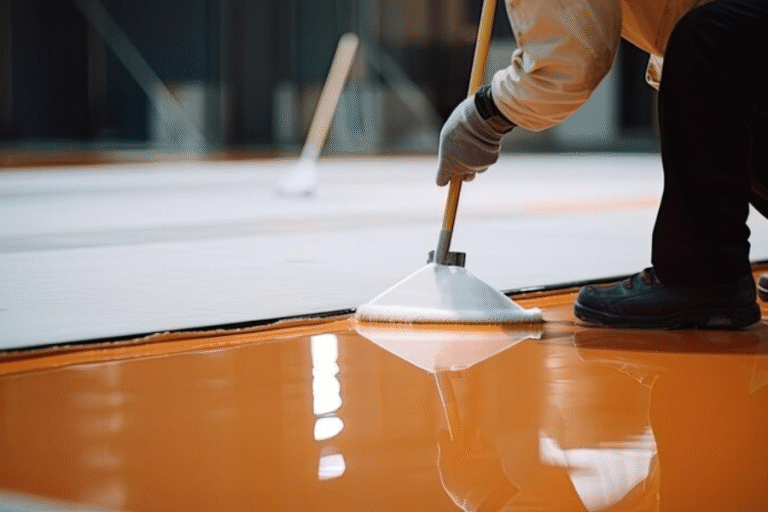
3.Trowel Application
Pros: Trowel application is ideal for thick clearings and textured finishes, allowing for a high degree of customization and durability. It is often used for industrial properties and other heavy-duty applications where a robust, wear-resistant property is required.
Cons: This method is labor-intensive and requires expertise to achieve the desired finish. It can also be more expensive due to the additional labor and time involved.
Benefits of Professional Application:
While some may consider DIY application, hiring professionals like Dutcher Land Management ensures the best results. Our expert team has the experience and equipment to apply commercial clearings efficiently and effectively, ensuring long-lasting protection and aesthetic appeal.
Also Read : Unlocking the Benefits of Commercial Clearing: A Step-by-Step Approach
Advantages of Professional Application:
Quality Assurance: Professionals ensure even coverage and adherence to specifications, reducing the risk of application errors and ensuring the clearing performs as intended.
Time Efficiency: Faster application with minimal disruption to your business, allowing you to resume normal operations sooner.
Long-Lasting Results: Proper application extends the lifespan of the clearing, providing better value for your investment.
Choosing the Right Commercial Clearing: A Step-by-Step Guide:
To select the right commercial clearing for different propertys, follow a Step-by-Step Guide to the Commercial Clearing Process.
1.Identify the Property Type: Determine if the property is land, metal, wood, or another material. This helps narrow down the types of clearings suitable for your project.
2. Assess Property Condition: Check for cracks, corrosion, or other damage that needs repair before clearing. Preparing the property properly is essential for the clearing to adhere correctly and perform well.
3. Consider Environmental Factors: Evaluate the environment where the clearing will be applied, including temperature, moisture, and chemical exposure. This ensures the clearing will withstand the conditions it will be exposed to.
4. Select the Clearing Type: Choose a clearing that matches the property type and environmental conditions. Consider the properties and benefits of different clearings to make an informed decision.
5. Decide on Application Method: Determine the best application method for your project. Consider factors such as the size of the area, the desired finish, and available resources.
6. Hire Professionals: Engage a professional clearing service like Dutcher Land Management for optimal results. Our team ensures the clearing is applied correctly and efficiently, providing long-lasting protection and aesthetic appeal.
Conclusion:
Selecting the right commercial clearing for different propertys is essential to protect your facility and enhance its appearance. By understanding property types, environmental factors, and application methods, you can make an informed decision. Trust Dutcher Land Management to provide high-quality commercial land management services tailored to your specific requirements. Contact us today to learn more about our services and how we can help you achieve the best results for your business.
For expert advice and professional commercial clearing services, contact Dutcher Land Management. Our team is ready to help you choose and apply the perfect clearing for your needs. Contact us today on (440) 538-1119 or email us info@dutcherlandmanagement.com.