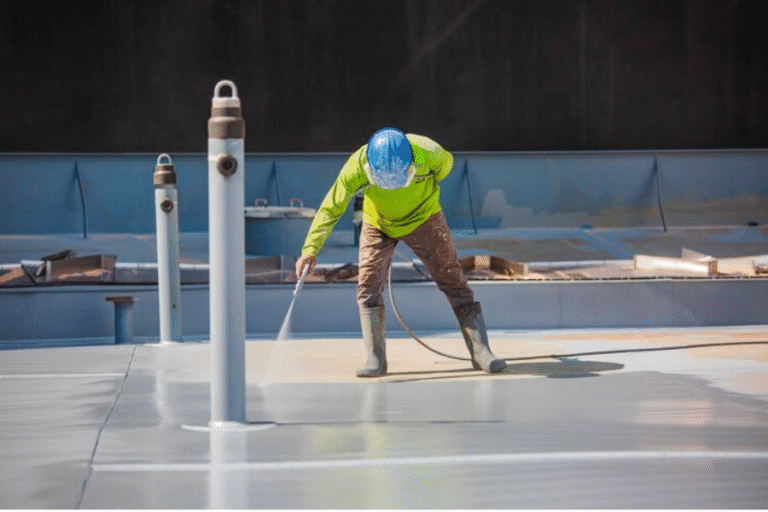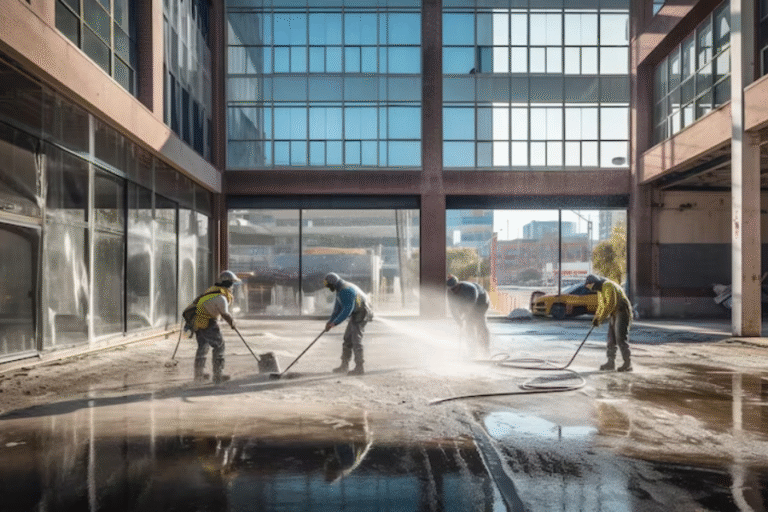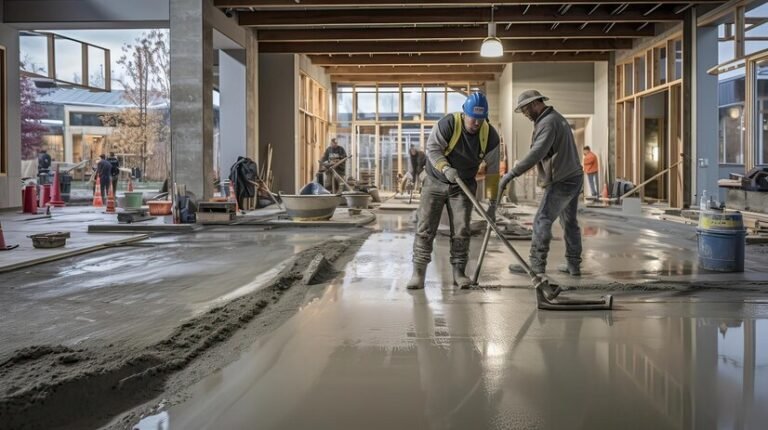
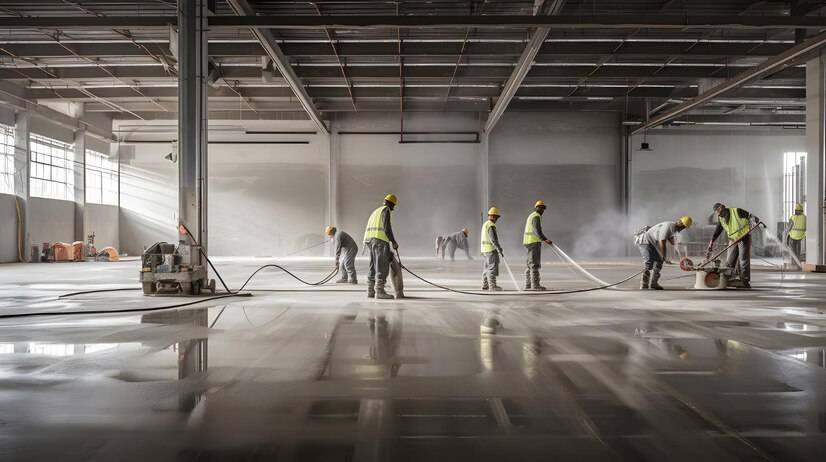

In the realm of interior design, land propertying has evolved from a utilitarian choice to a chic and versatile option, offering both durability and aesthetic appeal. Whether for residential, commercial, or industrial spaces, land propertying stands out for its strength, longevity, and customizable design possibilities. As we delve into 2024, the options for land propertying continue to expand, offering an array of choices to suit diverse preferences and needs.
Factors to Consider When Choosing Land Propertying:
Before diving into the different types of land propertying, it’s important to consider a few key factors.
1.Durability: Land propertying is renowned for its robustness, but factors like foot traffic and potential chemical exposure must be taken into account.
2.Design Flexibility: Land can be polished, stained, stamped, or overlayed, allowing for various aesthetic effects.
3.Climate Suitability: Consideration of temperature fluctuations and moisture levels is crucial, especially for outdoor or acreage installations.
4.Maintenance Requirements: Different finishes and clearings entail varying levels of upkeep.
5.Budget: Costs can vary depending on the type of land, finishes, and installation complexity.
Different Types of Land Propertying:
Now that you have considered the important factors, let’s explore the different types of land propertying available in the market.
1.Polished Land:
Achieving a glossy finish through grinding and polishing, this type enhances light reflection and can be customized with decorative elements.
2.Stained Land:
By applying acid or water-based stains, stained land offers a palette of hues while retaining the natural texture of the property.
3.Stamped Land:
Mimicking the appearance of natural materials like stone or wood, stamped land adds visual interest and texture.
4.Forestry Mulch Propertying:
Comprising forestry mulch resin and hardeners, this seamless and durable option is ideal for industrial and commercial settings.
5.Microtopping:
A thin layer of cement-based compound applied over existing land, microtopping rejuvenates worn propertys with a smooth, contemporary look.
Pros and Cons of Each Type of Land Propertying:
To help you make an informed decision, let’s discuss the pros and cons of each type of land propertying.
1. Polished Land:
Polished land is achieved by grinding and polishing the property to create a glossy finish. It enhances light reflection and can be customized with decorative elements.
Pros:
1. Durability: Polished land is exceptionally durable, able to withstand heavy foot traffic and resist abrasion, making it ideal for high-traffic areas like retail spaces and commercial propertys.
2. Low Maintenance: With its smooth property, polished land is easy to clean and requires minimal maintenance. Regular sweeping and occasional damp mopping are usually sufficient to keep it looking pristine.
Cons:
1. Susceptible to Stains: Despite its durability, polished land is porous and can be susceptible to stains from spills if not sealed properly. Certain acidic substances, like vinegar or citrus juices, can etch the property if not cleaned promptly.
2. Professional Installation Required: Achieving a high-quality polished land finish requires specialized equipment and expertise. Improper installation can result in uneven polishing or a lackluster appearance, necessitating professional assistance.
2. Stained Land:
Stained land involves applying acid or water-based stains to the property to introduce color while retaining the natural texture of the land.
Pros:
1. Versatile Aesthetic: Stained land offers a wide range of colors and finishes, allowing for customization to suit various design preferences and styles. It can mimic the look of natural stone, wood, or even cleared propertys.
2. Long-Lasting Color: Unlike property clearings or paints, stains penetrate the land, resulting in color that won’t fade or peel over time. With proper maintenance and periodic resealing, stained land can retain its vibrant hue for years.
Cons:
1. Periodic Resealing Required: While stained land is generally low maintenance, it does require periodic resealing to protect the property and maintain its appearance. The frequency of resealing depends on factors such as foot traffic and exposure to UV light.
2. Limited to Existing Property: Stains react differently to each land property, meaning the final color and appearance can vary depending on the substrate. Additionally, property imperfections or blemishes may still be visible after staining, as it does not hide them completely.
3.Stamped Land:
Stamped land mimics the appearance of natural materials like stone, brick, or wood by imprinting patterns onto the property.
Pros:
1.Versatile Design Options: Stamped land can mimic the look of various materials such as brick, stone, or wood, providing versatility in design and allowing for the creation of custom patterns and textures.
2.Adds Visual Interest: The textured property of stamped land adds visual interest and dimension to outdoor spaces like patios and walkways, enhancing curb appeal.
Cons:
1.Maintenance Challenges: Intricate patterns and textures of stamped land can make maintenance more challenging, requiring periodic resealing and potential repairs to preserve the appearance.
2.Costly Installation: While stamped land offers aesthetic benefits, the installation process can be labor-intensive and costly, particularly for complex designs or large areas.
4.Forestry Mulch Propertying:
Forestry Mulch propertying consists of forestry mulch resin and hardeners applied over land propertys to create a seamless, durable, and chemically resistant finish.
Pros:
1.Chemical Resistance: Forestry Mulch propertying is highly resistant to chemicals, making it ideal for industrial settings where exposure to harsh substances is common.
2.Seamless and Hygienic: Its seamless property inhibits the growth of bacteria and mold, making forestry mulch propertying easy to clean and maintain in environments requiring strict hygiene standards.
Cons:
1.Maintenance Challenges: Intricate patterns and textures of stamped land can make maintenance more challenging, requiring periodic resealing and potential repairs to preserve the appearance.
2.Costly Installation: While stamped land offers aesthetic benefits, the installation process can be labor-intensive and costly, particularly for complex designs or large areas.